January 19-22, 2027 | Stowe, Vermont
Join us for an immersive, hands-on experience set against the stunning winter backdrop of Vermont's iconic Smugglers' Notch. Designed for healthcare professionals and outdoor enthusiasts alike, this workshop invites participants to expand their skills in wilderness medicine under the expert guidance of seasoned wilderness medicine and rescue professionals.
Learning is grounded in the real: actual rescues from the local mountains provide the backdrop for instruction, with a deliberate focus on simulation as the primary teaching tool. Participants will practice field management and prevention of hypothermia and frostbite, shelter building, equipment selection and preparation, and winter travel safety. The workshop takes place outdoors near the conference center, and participants are welcome to bring their own survival equipment for testing or practice. Beyond the skills, the day offers the chance to connect with fellow attendees who share a passion for outdoor adventure and emergency medicine.
Ultrasound-guided regional anesthesia is a high-value skill for emergency physicians, particularly in rural settings where transfer times may be prolonged and anesthesiology support is limited. Effective regional techniques reduce reliance on systemic opioids — an especially important consideration for elderly patients with proximal femur and hip fractures, in whom repeated opioid dosing while awaiting surgery can contribute to delirium. Upper extremity blocks offer comparable benefit for forearm, wrist, and hand injuries commonly seen in the emergency department. The importance of these skills is widely recognized, perhaps most strongly evidenced by the explicit inclusion of the fascia iliaca plane block in the new American Board of Emergency Medicine certification exam — yet for practicing providers in rural settings, opportunities to acquire and maintain them are often scarce.
This workshop combines a brief didactic session with hands-on skills stations. Introductory lectures cover relevant sonoanatomy, distribution of analgesia, ultrasound-guided technique considerations, hydrodissection and anesthetic volume selection, a review of the supporting literature, and LAST recognition and management including the role of lipid emulsion therapy. Participants then move into small-group, hands-on stations with ultrasound faculty.
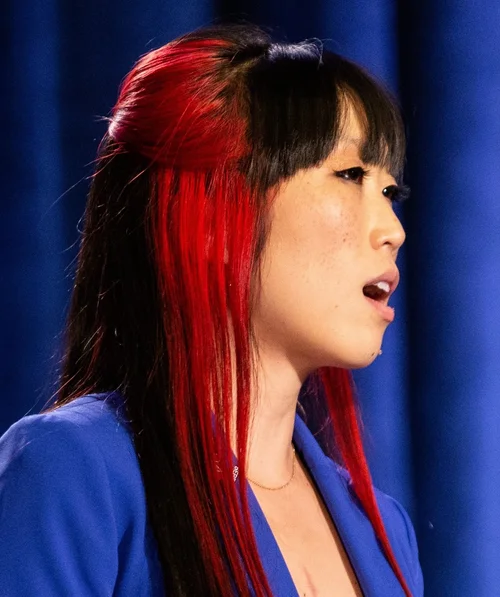
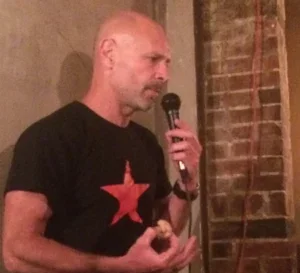
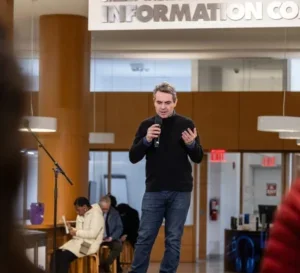
Do you feel like it is an uphill battle to provide effective guidance to medical students and residents during training? Coaching in medical education is a valuable method for faculty to support trainees. Coaching skills are not intuitive and are infrequently taught. Rather than simply correcting mistakes or telling trainees what to do, coaches utilize curious listening, structured questioning, and dynamic feedback to develop lifelong learning and self-assessment skills in trainees. The guidance and self-reflection fostered from coaching relationships can result in better performance as trainees transition to master adaptive learners and take ownership of their own education and career trajectory. The development of an effective coaching program can confer significant benefits in medical student and resident education, clinical performance, and well-being.
This unique, interactive workshop will get you outside on skis or snowshoes while gaining an introduction to the fundamentals of coaching in medical education. We find that coaching is more effective with movement rather than PowerPoint — and we suspect you will too. Participants learn in a small-group setting from UVM Faculty Coaches trained through a formal, intensive coaching program. As we skin or snowshoe up the mountain, the session reviews the principles of coaching and the core differences between passive mentoring and academic medical coaching, followed by role-playing scenarios addressing real trainee challenges. As we glide back down to the trailhead, faculty share their experiences building a novel coaching program and best practices for implementation at your own institution.



The unanticipated difficult airway remains one of the highest-stakes challenges in emergency and acute care medicine, where preparation and deliberate practice make the difference between a controlled intervention and a crisis. This hands-on workshop brings participants through a series of focused skill stations, each led by experienced airway faculty, designed to build competence and confidence across the full spectrum of difficult airway management. Participants will rotate through dedicated stations covering fiberoptic intubation, surgical front-of-neck access, the pediatric airway, and difficult airway strategy. Each station pairs practical, repeated hands-on practice with expert coaching, allowing participants to refine technique, troubleshoot common pitfalls, and develop a clear cognitive framework for decision-making under pressure.