
1300-1330
1330-1400
-
Most emergency clinicians can readily identify generalized tonic-clonic and typical absence seizures, but the 2017/2025 ILAE classification recognizes 21 distinct seizure types, many with presentations that diverge sharply from the "classic convulsion" archetype. Focal seizures-the most common new-onset seizure type in adults-frequently present with isolated sensory, autonomic, emotional, or cognitive phenomena, and a normal EEG does not exclude them (only ~21% of focal aware seizures show ictal EEG changes). These atypical presentations are commonly mistaken for syncope, TIA, panic attack, psychogenic nonepileptic events, or primary psychiatric illness, leading to diagnostic delay and inappropriate workup.
This talk will (1) review the current ILAE seizure classification framework and retire outdated "simple/complex partial" terminology in favor of focal aware/impaired awareness nomenclature; (2) present a lobe-of-origin framework for recognizing focal seizure semiology relevant to the ED, including temporal (epigastric aura, déjà vu, automatisms), frontal (brief, bizarre, hypermotor, often nocturnal), parietal (lateralized sensory distortion), occipital (elementary visual phenomena), and insular (laryngeal constriction, dyspnea) presentations; (3) highlight the clinical pitfalls associated with each, with an emphasis on cases frequently misdiagnosed as functional or psychiatric events; and (4) discuss the diagnostic implications of distinguishing focal impaired awareness seizures from absence seizures, particularly in patients with known focal epilepsy.n text goes here
-
Adam Bloom, DO is Program Director of the Emergency Medicine Residency Program at the University of Vermont's Larner College of Medicine, where he is an Associate Professor of Emergency Medicine. He has been involved in EM education since 2016, progressing from chief resident to Assistant Program Director and then Associate Program Director at his previous institution before joining UVM. Prior to his academic career, Dr. Bloom served as a military physician with multiple deployments to combat zones. His clinical and educational interests include rural and critical access emergency medicine, evidence-based medicine pedagogy, and resident assessment systems.
1400-1430
-
Emergency departments (EDs) are increasingly functioning as the front line of reproductive health care, particularly for populations with limited access to outpatient services. This session synthesizes emerging research on ED-based reproductive healthcare while addressing a challenge unique to this area of emergency medicine: the wide state-by-state legal and regulatory variation that directly shapes what reproductive services clinicians can provide. Drawing from clinical data, implementation science, and the growing field of legal epidemiology, this clinical case-based presentation will review evidence-based approaches to care over diverse legal landscapes.
This lecture will cover essential ED reproductive health topics, including family planning, the management of early pregnancy loss, ectopic pregnancy, and pregnancy of unknown location. It will be interactive, relying on audience participation to guide the discussion and clinical sticking points, and move beyond perseverating on barriers to offering concrete strategies and implementation tools. The session will guide emergency providers through actionable strategies to ensure the delivery of safe, legal, and comprehensive reproductive healthcare in the acute setting.
-
Rebecca Hellmann, DO, MSEd is a board-certified physician in Emergency Medicine. She completed medical school and residency in New York City, then became fellowship-trained in both Women's Reproductive Health and Medical Education where she obtained her master's in medical education at University of Pennsylvania. She currently serves as the Director of Clinical Education for FemInEM as well as an Assistant Professor at Weill Cornell Medical Center, where she works both clinically as a nocturnist and leads the Women's Health Collaborative, an interdisciplinary group working to improve the female experience in medicine. She lectures locally, regionally, and nationally using both general and state-specific lectures to review management of reproductive health emergencies in a variety of clinical settings.
Refreshments and Exhibitors


Adam Bloom, DO
Wednesday Jan 20


-
Most emergency clinicians can readily identify generalized tonic-clonic and typical absence seizures, but the 2017/2025 ILAE classification recognizes 21 distinct seizure types, many with presentations that diverge sharply from the "classic convulsion" archetype. Focal seizures-the most common new-onset seizure type in adults-frequently present with isolated sensory, autonomic, emotional, or cognitive phenomena, and a normal EEG does not exclude them (only ~21% of focal aware seizures show ictal EEG changes). These atypical presentations are commonly mistaken for syncope, TIA, panic attack, psychogenic nonepileptic events, or primary psychiatric illness, leading to diagnostic delay and inappropriate workup.
This talk will (1) review the current ILAE seizure classification framework and retire outdated "simple/complex partial" terminology in favor of focal aware/impaired awareness nomenclature; (2) present a lobe-of-origin framework for recognizing focal seizure semiology relevant to the ED, including temporal (epigastric aura, déjà vu, automatisms), frontal (brief, bizarre, hypermotor, often nocturnal), parietal (lateralized sensory distortion), occipital (elementary visual phenomena), and insular (laryngeal constriction, dyspnea) presentations; (3) highlight the clinical pitfalls associated with each, with an emphasis on cases frequently misdiagnosed as functional or psychiatric events; and (4) discuss the diagnostic implications of distinguishing focal impaired awareness seizures from absence seizures, particularly in patients with known focal epilepsy.ption text goes here
-
Adam Bloom, DO is Program Director of the Emergency Medicine Residency Program at the University of Vermont's Larner College of Medicine, where he is an Associate Professor of Emergency Medicine. He has been involved in EM education since 2016, progressing from chief resident to Assistant Program Director and then Associate Program Director at his previous institution before joining UVM. Prior to his academic career, Dr. Bloom served as a military physician with multiple deployments to combat zones. His clinical and educational interests include rural and critical access emergency medicine, evidence-based medicine pedagogy, and resident assessment systems.
-
Emergency departments (EDs) are increasingly functioning as the front line of reproductive health care, particularly for populations with limited access to outpatient services. This session synthesizes emerging research on ED-based reproductive healthcare while addressing a challenge unique to this area of emergency medicine: the wide state-by-state legal and regulatory variation that directly shapes what reproductive services clinicians can provide. Drawing from clinical data, implementation science, and the growing field of legal epidemiology, this clinical case-based presentation will review evidence-based approaches to care over diverse legal landscapes.
This lecture will cover essential ED reproductive health topics, including family planning, the management of early pregnancy loss, ectopic pregnancy, and pregnancy of unknown location. It will be interactive, relying on audience participation to guide the discussion and clinical sticking points, and move beyond perseverating on barriers to offering concrete strategies and implementation tools. The session will guide emergency providers through actionable strategies to ensure the delivery of safe, legal, and comprehensive reproductive healthcare in the acute setting.
-
Rebecca Hellmann, DO, MSEd is a board-certified physician in Emergency Medicine. She completed medical school and residency in New York City, then became fellowship-trained in both Women's Reproductive Health and Medical Education where she obtained her master's in medical education at University of Pennsylvania. She currently serves as the Director of Clinical Education for FemInEM as well as an Assistant Professor at Weill Cornell Medical Center, where she works both clinically as a nocturnist and leads the Women's Health Collaborative, an interdisciplinary group working to improve the female experience in medicine. She lectures locally, regionally, and nationally using both general and state-specific lectures to review management of reproductive health emergencies in a variety of clinical settings.
7:30 - 8:00
8:00 - 8:30
8:30 - 9:00
9:15 - 9:45
9:45 - 10:15
10:15 - 10:45
Continental Breakfast and Exhibitors
7:00 - 7:30
Break and Exhibitors
9:00 - 9:15
-
-
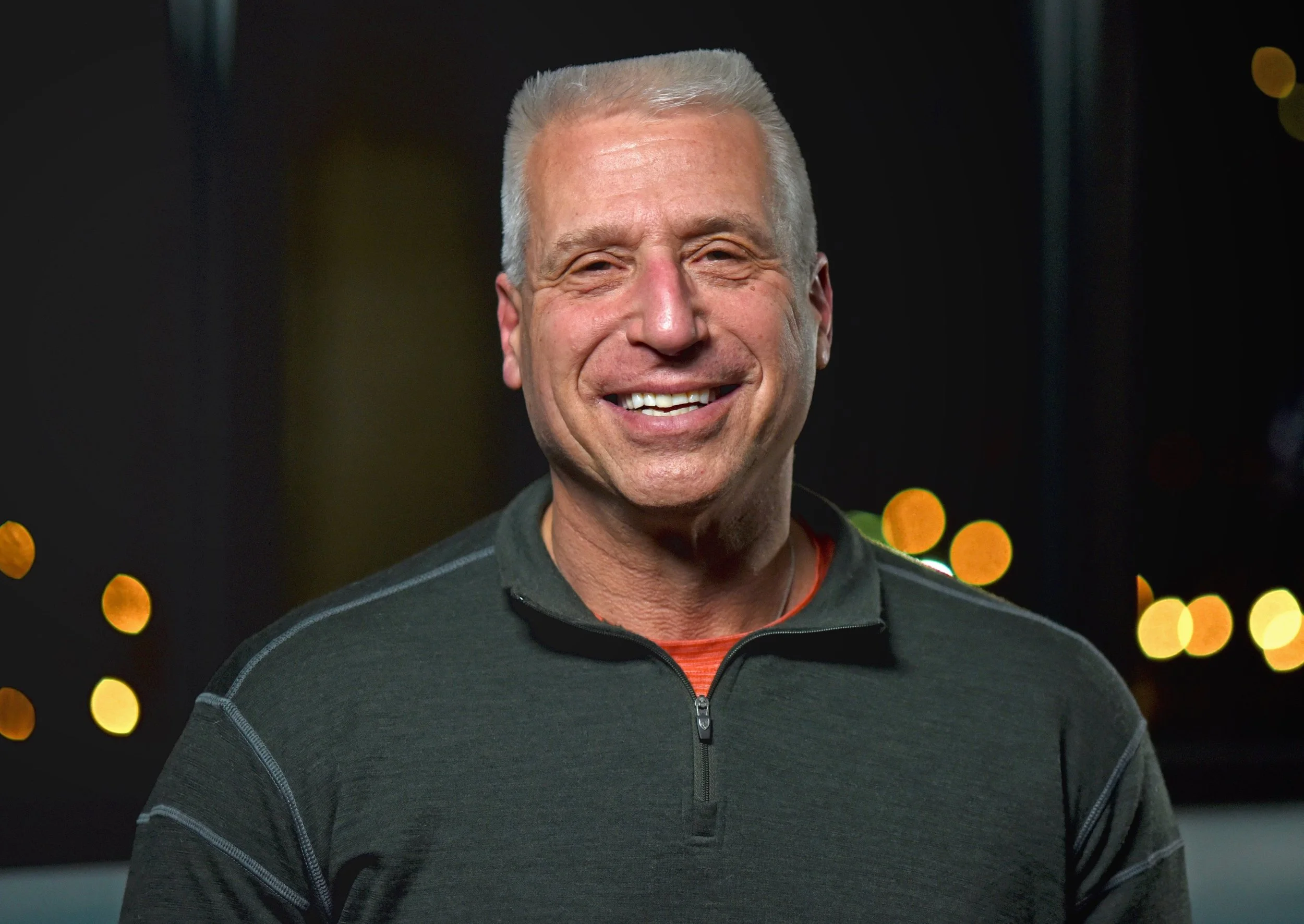
Director of POCUS for Maine Health, Co-Director POCUS for MMC ED Residency. Massachusetts GED, BA, MD, FACEP, Maine Class C Driver’s License, Red Cross White Swim Badge, Maine Fishing & Archery license, Ontario Pleasure Craft Operator, payer of taxes, donator to charity, LOVER AND TEACHER OF ULTRASOUND.
-
Emergency physicians are required to make hundreds of decisions rapidly in a single shift. Historically, much of this decisionmaking has been described as "fast," heuristic-based, type 1 thinking, which is prone to error and cognitive biases. However, the reality of real-time decisionmaking for experienced clinicians is more complex. This talk will provide an evidence-based approach to how decisions are made in real time, the strengths of heuristics and even of cognitive biases, as well as potential pitfalls. We will discuss best practices in how to teach clinical decisionmaking to learners and identify our own flaws and strengths in decisionmaking in the high-pressure environment of the ED.
-
I am triple boarded in emergency medicine, internal medicine, and critical care, and currently practice in both the emergency department and medical ICU at Dartmouth Hitchcock Medical Center. I am the co-director of the new Acute Care Medicine clerkship, a required rotation for fourth-year medical students that combines clinical experience in the emergency department and ICU. I additionally serve as associate program director for the critical care medicine fellowship. I have extensive experience in teaching and lecturing in a variety of settings to learners of many different levels. My clinical and educational interests include ventilator management, medical decisionmaking and cognitive biases, and oncologic and infectious emergencies.
-
Alcohol withdrawal is one of the most challenging presentations we face in the emergency department. These patients are often very sick and simultaneously very difficult to manage. Is the solution to go big or go home with benzodiazepines? Or does the resurgence of phenobarbital usher in a new era in alcohol withdrawal management? With patient safety, sedation risk, and resource utilization all hanging in the balance, this is more than an esoteric pharmacologic debate-it's a frontline dilemma.
Two expert clinicians go head-to-head, each armed with a pivotal article and their real-world experience. One defends the traditional benzodiazepine-first approach rooted in decades of use, while the other makes the case for phenobarbital-based strategies, citing new evidence and shifting trends.
Expect spirited dialogue, sharp insights, and take-home pearls. They will even delve into the controversies surrounding adjunctive agents like ketamine and dexmedetomidine. The session will conclude with an extended audience Q&A, inviting participants to challenge the experts, share institutional successes (or missteps), and weigh in on what's working in their own practice.
-
I am an emergency physician and medical intensivist by training, and regularly practice in both environments. I teach the management of alcohol withdrawal at my institution to residents, fellows, and students. I also have lectured nationally at ACEP and AAEM on the topic of alcohol withdrawal and the use of phenobarbital. At my institution I was responsible for designing and educating the use of phenobarbital protocols in several alcohol withdrawal.
-
-
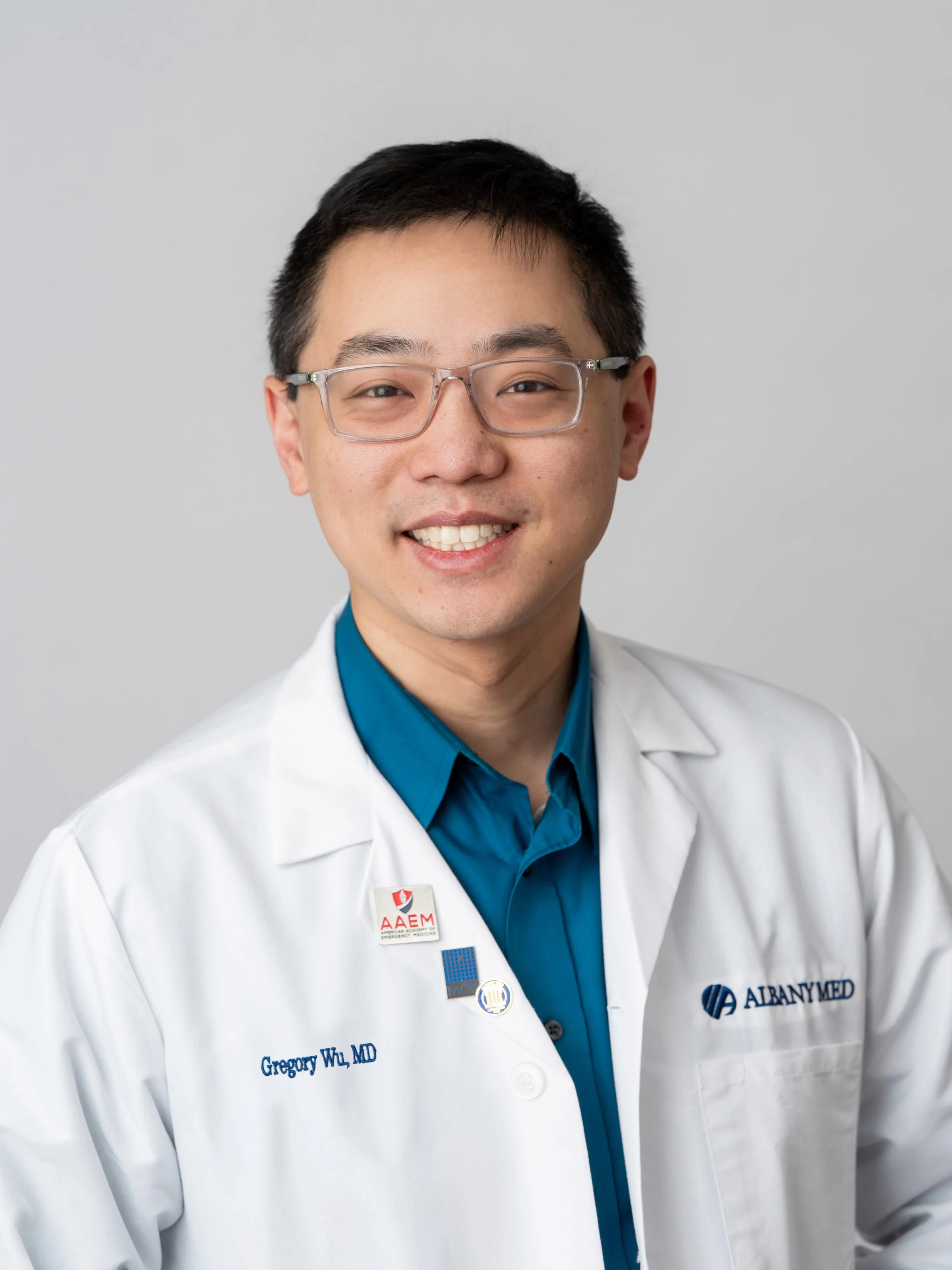
Dr. Peter Weimersheimer is an emergency physician with 30 years of clinical and POCUS experience. He is committed to transforming health care, especially in resource limited settingsthrough adoption and implementation of POCUS. He focuses on developing sustainable and successful Point of Care Ultrasound (POCUS) programs, curriculum design, and hand-on training. Dr. Weimersheimer completed his emergency medicine residency at Boston City Hospital/Boston Medical Center. He is Professor Emeritus of Emergency Medicine (EM) at the Larner College of Medicine (LCOM) at the University of Vermont. He was the founder and Director of the University of Vermont (UVM) Emergency Ultrasound Program, UVM EM Residency POCUS curriculum, UVM TEE resuscitation program, LCOM 4th year medical student elective in point of care ultrasound, LCOM integrated 4-year medical school curriculum, and UVM EM nurse/tech POCUS-guided IV program. Awards included UVM EM Residency Teacher of the Year and UVM Surgery Excellence in Trauma Care. Dr. Weimersheimer was the UVM Health Network Director of Clinical Ultrasound. He developed global credentialing and practice standards for that system and for other clinical specialties. He was the VP of Clinical Implementation and Education for Butterfly Network. He is an Echo Guided Life Support. (EGLS) instructor and a professor in the Rural Ultrasound Fellowship. He lectures, teaches, and mentors health practitioners internationally
10:45 - 11:15
Thursday Jan 21
0730 - 0800
0800 - 0830
0830 - 0900
Continental Breakfast and Exhibitors
0700 - 730

-
Description text goes here
-
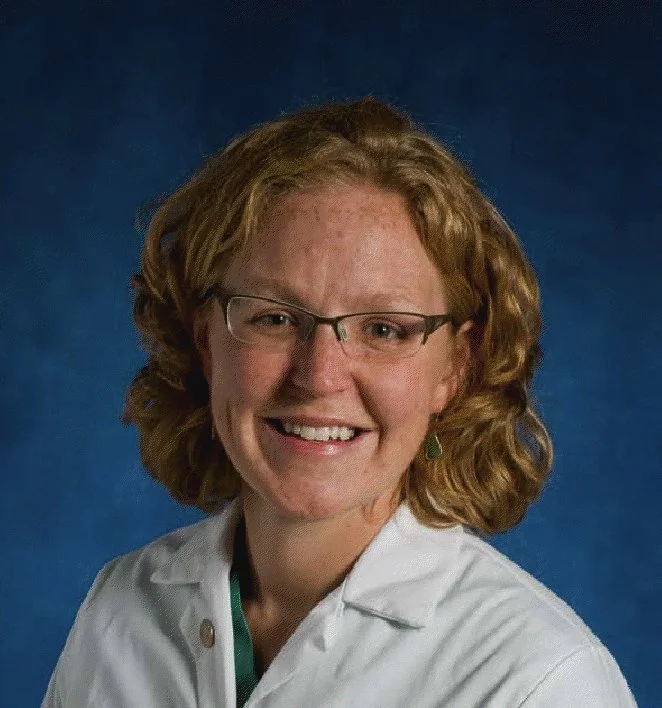
Dr. Gabrielle Jacquet is an Associate Professor of Emergency Medicine at the University of Vermont Larner College of Medicine and the Division Chief of Population Health for the University of Vermont Department of Emergency Medicine. She received her MD from the University of Vermont College of Medicine and her MPH from Johns Hopkins Bloomberg School of Public Health.
Dr. Jacquet completed her Residency in Emergency Medicine at Denver Health and her Fellowship in International Emergency Medicine and Public Health at Johns Hopkins.
Dr. Jacquet focuses her work on improving and standardizing the delivery of global and local health equity training to graduate and postgraduate medical learners. Over her career, she has taught emergency medicine, assisted in developing emergency care systems and training programs, and conducted research in Colombia, Ghana, Haiti, India, Rwanda, South Africa, Sudan and Zambia.
Dr. Jacquet has over 30 peer-reviewed publications and has lectured at many national and international emergency medicine conferences. Dr. Jacquet is also the founding Course Director for The Practitioner's Guide to Global Health: a 3-part open-access, online, interactive course.
Dr Jacquet began her career as a Wilderness EMT and volunteers at the Sugarbush Three Peaks Clinic and formerly at the Stratton Mtn Otis Clinic and has climbed Denali.
-
-
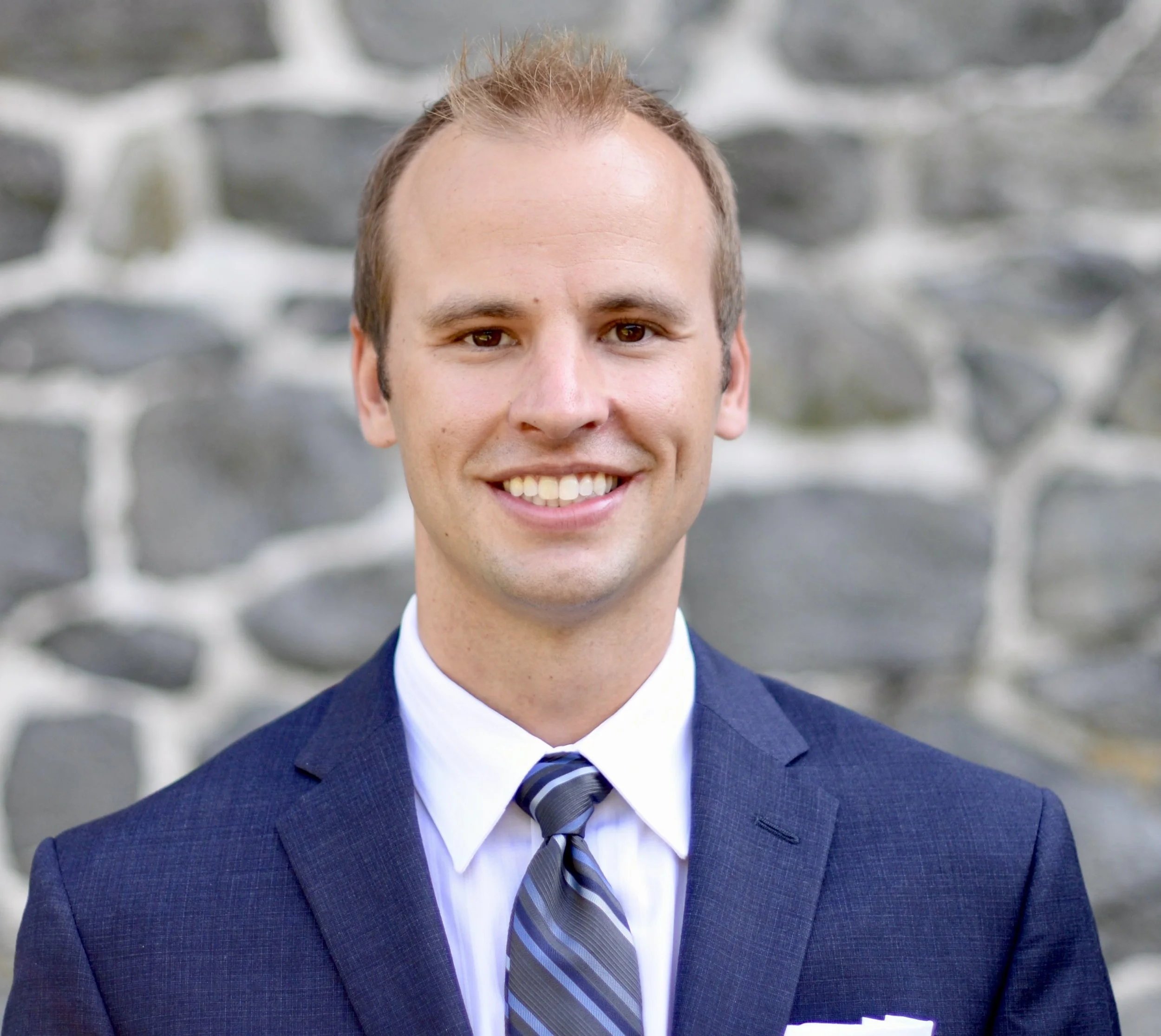
David Mackenzie, MDCM is medical director at Maine Medical Center in Portland, and an Associate Professor of Emergency Medicine at Tufts University School of Medicine. He co-directs the MMC and MaineHealth ultrasound programs.

-
My presentation covers the basics of space medicine and the emerging role of the emergency medicine physician in the next stages of commercial space exploration.
-
Dr. Nicolas Heft is a Board-Certified Emergency Medicine physician and the co-founder and Fellowship Director of the Space Medicine program at the University of Texas Health Science Center. He earned his medical degree from Florida Atlantic University College of Medicine and completed his Emergency Medicine residency at the University of Texas.
Additionally, Dr. Heft has served as a Flight Surgeon in Mission Control, supporting crews bound for the International Space Station.
Dr. Heft is a graduate of the United States Air Force Special Warfare Medical Officer course and a certified Diver Medical Technician. He has submitted multiple experiments for orbital missions and contributed to the development of the medical framework for parts of NASA's Artemis program.
-
-
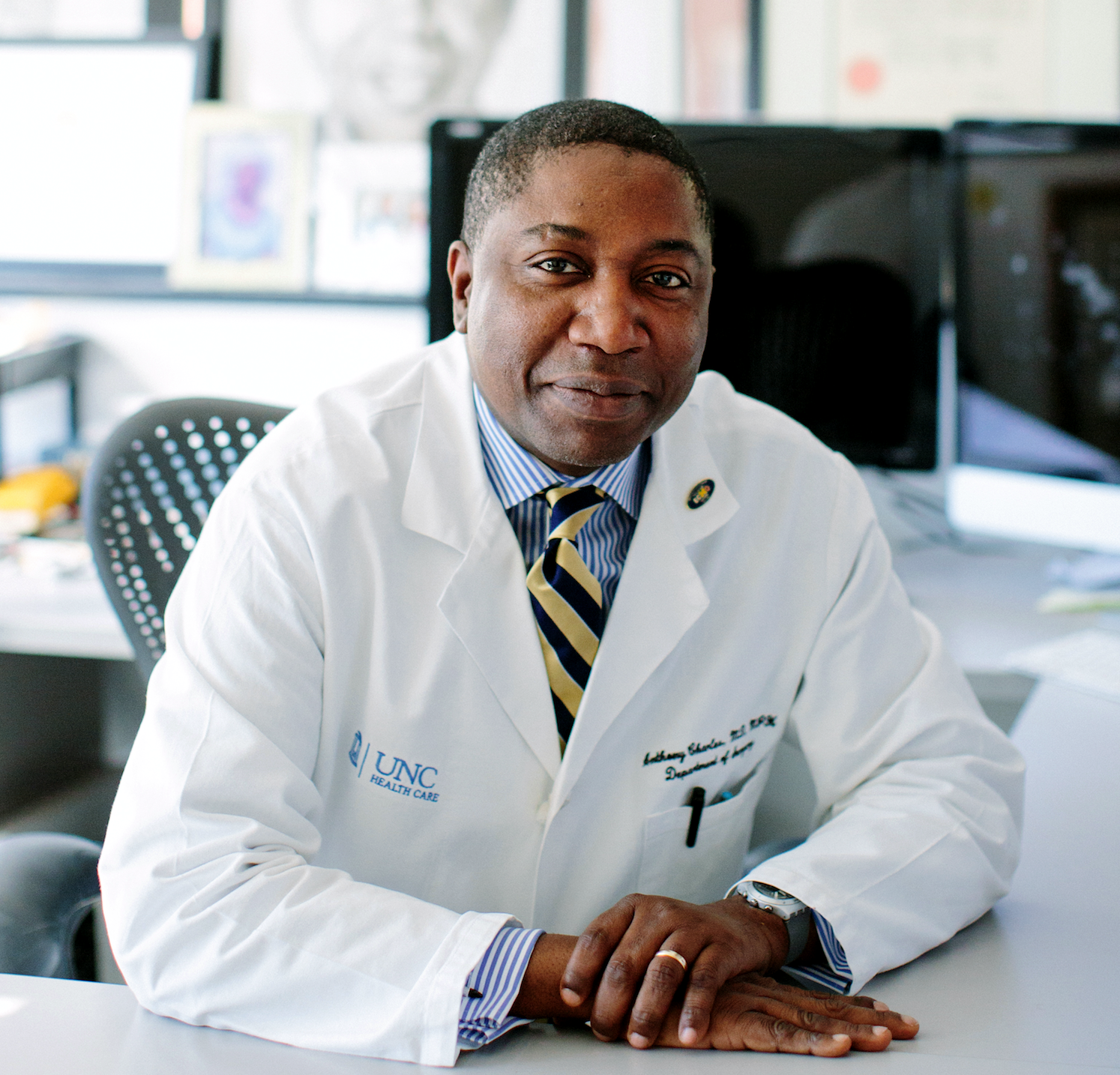
Dr. Charles is a tenured Professor of Surgery at the Larner College of Medicine, UVM, and Vice Chair for Faculty Development in the Department of Surgery. In addition, he is the Trauma Medical Director of the UVMMC Level I Trauma Center and the Surgical ICU Director. Dr. Charles is recognized as an academic surgeon scientist passionate about global surgery, health services research, and the advancement of the education mission of our institution through high-quality learning experiences. Dr. Charles has been a principal investigator on numerous grants from the National Institutes of Health with a focus on trauma and burn injuries and health care disparities. He has an extensive array of publications related to his work, both nationally and internationally. He has over 350 peer-reviewed publications in top-tier journals, six book chapters, and more than 150 published abstracts to his credit. He is currently an Associate Editor for the Journal of the American Medical Association (JAMA).
-
The pace of critical care research continues to challenge emergency physicians striving to deliver evidence-based care to the sickest patients. Over the past several years, landmark trials and evolving guideline recommendations have reshaped the management of sepsis, shock, respiratory failure, traumatic brain injury, cardiac arrest, sedation, transfusion practices, and procedural critical care. Understanding how these data apply in the emergency department is essential, where decisions made in the first hours of illness often have the greatest impact on outcomes.
In this fast-paced, case-based 30-minute session, two dual board-certified Emergency Medicine and Critical Care physicians will review the most important recent critical care literature relevant to frontline emergency practice. Attendees will receive a practical synthesis of key studies, emphasizing what has changed, what remains controversial, and how new evidence should inform bedside decision-making. Topics will include emerging approaches to septic shock resuscitation, vasopressor and fluid strategies, advances in airway and respiratory support, post-cardiac arrest care, neurocritical care updates, and evolving concepts in hemodynamic assessment and monitoring.
Rather than providing an exhaustive review, this presentation will focus on high-yield studies that are most likely to alter patient management in the emergency department and resuscitation bay. Through discussion of real-world clinical scenarios, participants will gain a framework for critically appraising new literature and translating evidence into practice.
-
Skyler Lentz, MD is a board-certified emergency and critical care physician who speaks locally, regionally and nationally on critical care topics. He is the Division Chief of Resuscitation Science at the University of Vermont Department of Emergency Medicine and works clinically in the surgical and medical intensive care units and the emergency department. Skyler enjoys understanding and explaining the complex physiology of critical care and believes excellent critical care can be initiated in any emergency department.
-
Matt Roginski is an emergency and critical care physician who practices in Dartmouth Hitchcock’s ED, MICU, and SICU. He serves as Dartmouth's critical care transport team's associate medical director. He is passionate about bringing critical care interventions outside of the ICU.
-
Emergency department patients are often sick and physiologically deranged. Emergency physicians need to not only intubate successfully but also safely transition the patient to mechanical ventilation without deterioration. Shock, metabolic acidosis, and refractory hypoxemia introduces a higher risk in emergency airway management than challenging anatomy. Adopting strategies to mitigate against circulatory collapse or hypoxemic injury during emergency intubation is paramount in maximizing patient safety. Optimal preoxygenation strategies, spontaneous breathing intubation skills, and hemodynamic improvement is crucial for safe intubation practice.
-
Professor of Emergency Medicine - UMass Chan Lahey - TH Chan School of Medicine
Chair, Department of Emergency Medicine - The Lahey Clinic
National Course Director for The Difficult Airway Course: Emergency
Editor in Chief of the Walls Manual of Emergency Airway Management
PI for the National Emergency Airway Registry
World Expert in Intratracheal Intubation (ExpertScape™)
-
-
Skyler Lentz, MD is a board-certified emergency and critical care physician who speaks locally, regionally and nationally on critical care topics. He is the Division Chief of Resuscitation Science at the University of Vermont Department of Emergency Medicine and works clinically in the surgical and medical intensive care units and the emergency department. Skyler enjoys understanding and explaining the complex physiology of critical care and believes excellent critical care can be initiated in any emergency department.
-
Matt Roginski is an emergency and critical care physician who practices in Dartmouth Hitchcock’s ED, MICU, and SICU. He serves as Dartmouth's critical care transport team's associate medical director. He is passionate about bringing critical care interventions outside of the ICU.
-
"Eye Problem" - the chart every resident dreads picking up, but eye complaints make up 3% or more of all ED visits. Furthermore, comfort with eye complaints is highly variable amongst both trainees and practicing physicians, leading to increased use of tertiary referral resources in some cases. This presentation will provide a practical, bedside-focused overview of emergency ophthalmology for the emergency physician. Using a symptom-driven approach, participants will review how to perform and interpret the core elements of the eye exam, including visual acuity, tonometry, lid eversion, fluorescein examination, and focused slit lamp findings when available, with an emphasis on cases commonly encountered in the emergency department as well as the appropriate care setting for their management.
The session will cover high-yield ocular complaints and conditions from the outside in, including eyelid pathology, conjunctivitis, corneal abrasion, foreign body, ulcer, herpes zoster ophthalmicus, anterior uveitis, hyphema, acute angle closure glaucoma, open globe, and orbital cellulitis. For each condition, the discussion will emphasize the key findings that matter most to the emergency physician, what can be safely managed locally, and which findings should prompt urgent ophthalmology consultation or transfer.
Special attention will be given to the practical realities of non-tertiary and rural practice, including how to assess the eye in more detail when a slit lamp is unavailable. The presentation will review useful alternatives and workarounds such as careful handheld fluorescein examination, lid eversion with forniceal sweep, direct and indirect ophthalmoscopy, and the role of portable or smartphone-based adjuncts where available. The goal is to help clinicians distinguish pathology that requires transfer from problems that can be treated, observed, or followed locally.
By the end of the session, attendees will be able to perform a more structured emergency eye examination, identify time-sensitive ocular emergencies, and make more confident disposition decisions in resource-limited settings. The talk will aim to strengthen practical bedside skills while giving emergency physicians a clearer framework for managing both common and vision-threatening eye complaints.
-
I am an assistant professor of emergency medicine at UT Health Houston having completed my residency and ultrasound fellowship there. Working in a tertiary referral center with easy access to ophthalmology consultation exposes us to a great deal of ocular pathology, but having worked in the community for a short while makes me understand the difficulties that can come with uncertainty over which conditions can be safely managed outpatient vs absolutely need to be transferred. I have given a version of this talk to our residency with great reception.
-
This presentation highlights a unique educational tradition within the University of Vermont Emergency Medicine residency: During their final year of training, each PGY-3 resident develops and delivers a polished, professional, conference-caliber lecture on a topic of their choosing as part of the residency's weekly didactic curriculum. These presentations challenge residents to move beyond mastering clinical medicine and develop the skills of educator, scholar, and public speaker. Following all presentations, UVM Emergency Medicine faculty evaluate the talks based on content expertise, educational value, audience engagement, and presentation style, selecting one outstanding lecture to represent the residency at the Updates in Emergency Medicine Conference at Stowe. The winning presentation showcases the intellectual curiosity, creativity, and teaching excellence of UVM's graduating residents while providing conference attendees with a fresh perspective on an important topic in emergency medicine.
-
-
Acute severe asthma remains a leading cause of pediatric emergency encounters, and while the need for intubation and mechanical ventilation has declined with advances in noninvasive therapies, children who progress to respiratory failure face significant morbidity and mortality, with most fatal cardiac arrests occurring prior to hospitalization. Prehospital and emergency providers are uniquely positioned to recognize deterioration early, optimize pre-intubation management, and implement ventilatory strategies that minimize dynamic hyperinflation and its life-threatening consequences. This clinical talk will provide prehospital and emergency providers with a structured, evidence-based framework for managing pediatric acute severe asthma, from initial recognition and pharmacologic escalation through the critical decision to intubate and the nuances of post-intubation ventilatory management. Emphasis will be placed on understanding the pathophysiology of air trapping and applying ventilatory strategies that reduce dynamic hyperinflation, barotrauma, and hemodynamic compromise. The core of the talk will focus on the peri-intubation period and post-intubation ventilatory management. Key topics include: (1) pre-oxygenation strategies, including the use of BiPAP prior to intubation; (2) induction pharmacology; (3) rapid sequence intubation technique; and (4) a detailed ventilatory strategy centered on reducing air trapping. The presentation is delivered from the dual perspective of a pediatric intensivist and paramedic, bridging the gap between prehospital and critical care environments with practical, actionable guidance. Intubation in pediatric acute severe asthma is a high-risk, low-frequency event that demands deliberate preparation and a ventilatory approach fundamentally different from other causes of respiratory failure. By understanding the physiology of air trapping and applying a disciplined strategy of low rates, long exhalation, and permissive hypercapnia, prehospital and emergency providers can reduce iatrogenic harm and improve outcomes for the sickest children with asthma.
-
Paramedic for over 20 years, and medical director for ambulance service in Uganda and EMS for Children in Connecticut. Pediatric Intensivist as well.
-
An 86-year-old woman with dementia presents to a rural ED after a ground-level fall. She is found to have an intertrochanteric hip fracture. There is no orthopedist available locally. Her family arrives and asks the question we all recognize: Should we transfer her for surgery, or is that too much for her at this stage? The ED physician pauses-uncertain how to weigh the risks, the dementia, and what "doing the right thing" actually looks like.
This scenario is common, and the stakes are high. Hip fractures in older adults are not just broken bones-they are inflection points. They carry serious implications for survival, function, and quality of life. And while emergency physicians are not the ones performing the operation, we are often the ones shaping the decision. In many settings-especially rural ones-we are the first (and sometimes only) clinicians to help patients and families navigate whether surgery is worth pursuing, often before an orthopedist is even involved.
We will challenge the instinct to view hip fractures in frail or cognitively impaired patients as a reason to avoid surgery. In reality, more patients benefit from operative management than many clinicians assume. Surgery is not just about "fixing the bone"-it is often the best path toward comfort, mobility, and survival. Even in patients with dementia or advanced age, operative management may better align with goals of care than conservative treatment.
At the same time, not every patient should go to the operating room. The challenge is recognizing who is unlikely to benefit-and how to communicate that clearly and compassionately. This session will focus less on memorizing prognostic scores and more on developing a practical, bedside approach to decision-making. We will explore how to quickly assess baseline function and frailty, identify red flags that suggest limited benefit from surgery, and use simple frameworks to guide high-stakes conversations in the ED.
-
Dr. Erica Lash completed her Emergency Medicine Residency at Brown University, where she was a Chief Resident. She joined the University of Vermont Medical Center in August of 2021 and is an Assistant Professor at the Robert Larner, M.D. College of Medicine at the University of Vermont. She completed a Hospice and Palliative Medicine Fellowship in 2024. Her academic and clinical work is focused on the integration of Palliative Care into the Emergency Department.
-
This session will provide a practical, emergency department-focused framework for performing awake intubation using contemporary airway equipment and techniques. Participants will review patient selection, airway assessment, preparation, topical anesthesia strategies, and pharmacologic approaches designed to maximize patient comfort while maintaining respiratory drive. Special emphasis will be placed on differentiating the anatomically difficult airway from the physiologically difficult airway and recognizing situations in which awake techniques may offer a safer alternative to conventional RSI.
The presentation will also highlight the emerging role of video-assisted flexible endoscopic intubation (VAFEI), a technique that combines video laryngoscopy and flexible endoscopy to leverage the strengths of both modalities. By using a video laryngoscope to expose the larynx and a flexible endoscope to guide endotracheal tube delivery, VAFEI can simplify airway navigation, overcome common challenges associated with hyperangulated video laryngoscopy, and expand the feasibility of awake and breathing intubation strategies in the emergency department. Participants will learn how VAFEI differs from traditional awake fiberoptic intubation, why it may be easier to learn and execute, and how it can be incorporated into fully awake, ketamine-facilitated, or rapid sequence approaches.
Through case-based discussions, airway videos, and review of common pitfalls, attendees will learn practical techniques for successful awake intubation and develop contingency plans for anticipated difficulty. Particular attention will be given to airway topicalization, management of patient discomfort and airway reflexes, troubleshooting failed tube delivery, and maintaining safety when transitioning between awake and conventional airway strategies.
The second half of this session will feature a hands on component for those who wish to practice this technique.
By the conclusion of this session, participants will be able to identify patients who are candidates for awake intubation, apply a structured approach to airway preparation and sedation, and incorporate VAFEI into their airway management toolbox. Attendees will leave with practical skills that can be immediately implemented to improve success and safety when managing high-risk airways in the emergency department.
-
Dr. Alexander Bracey, MD, FACEP, is an Associate Professor of Emergency Medicine at Albany Medical College and serves as Program Director of the Resuscitation and Emergency Critical Care (RECC) Fellowship at Albany Medical Center. He has extensive experience in the delivery of emergency department-based critical care. His academic work focuses on emergency critical care, vascular access, airway management, and resuscitation.
0915 - 0945
0945 - 1015
1845 - 1915
Break and Exhibitors
0900 - 0915

1015 - 1045
1045 - 1115
1600 - 1630
1530 - 1600
Refreshments and Exhibitors
1700-1730
1630 - 1700
1730 - 1745
Break and Exhibitors
1745 - 1815

1815 - 1845
-
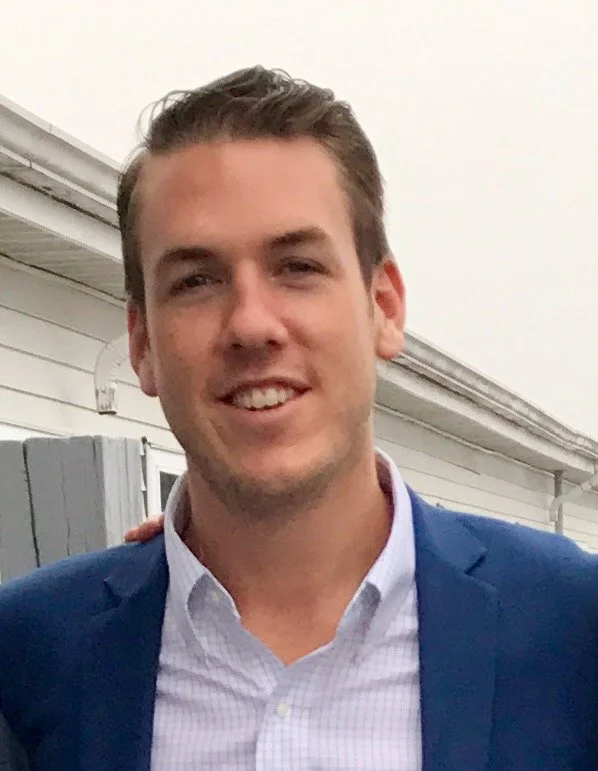
I think I am unique in the history of the country in pivoting from presidential speechwriter (for Barack Obama) to emergency physician. The throughline of my career is narrative, it's people's stories and the ability to shift and meaningfully impact the path of their lives. This talk addresses the potential impact of the physician voice and opportunity for advocacy. In the last year, I have developed a unique professional development curriculum for the MMC EM residents, of which this talk was noted as a highlight. At least four residents subsequently submitted and published op-eds and letters to the editor of local publications following my talk. This session is intended for professionals in any adjacent field, encouraging a role in patient and community advocacy and providing explicit guidelines for writing and submitting letters/op-eds as well as providing some audience participation in identifying writing approaches that are motivating, engaging, and impactful.
-
I have unique professional background in political speechwriting and crisis communications (including publication of several op-eds on a wide variety of topics). One way I have incorporated this unusual background into my academic medical practice is bringing a new professional development curriculum to the MMC EM residents highlighting non-clinical skills and areas of interest to enhance their didactic experience. These sessions have been universally well received and based on initial survey results suggest meaningful improvement in skill development in areas such as non-medical writing, CV and cover letter development, professional identity, leadership, and crisis communications.
Friday Jan 22
Continental Breakfast and Exhibitors
0700 - 0730
0730 - 0800

0800 - 0830
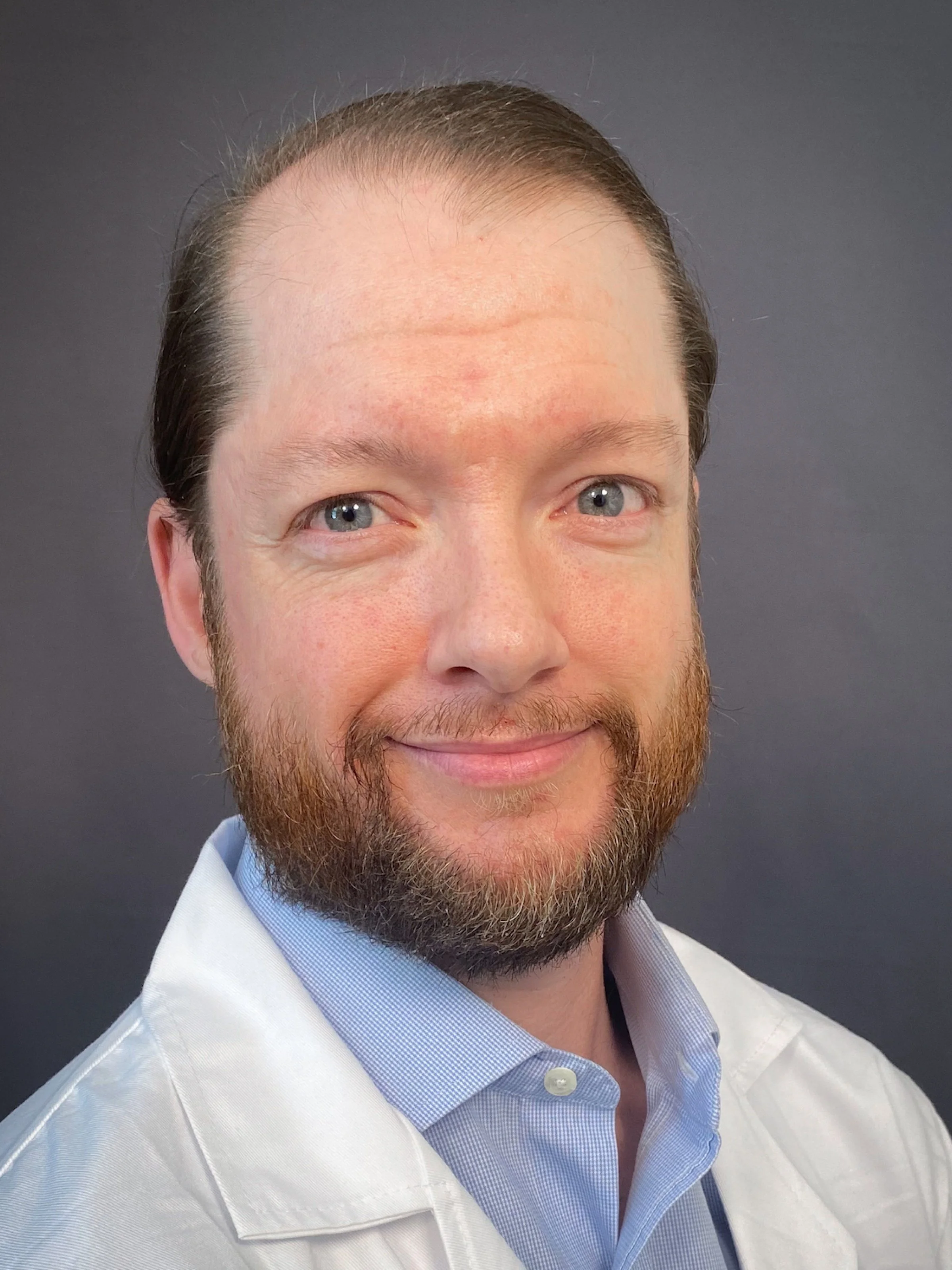
0830 - 0900
Break and Exhibitors
0900 - 0915
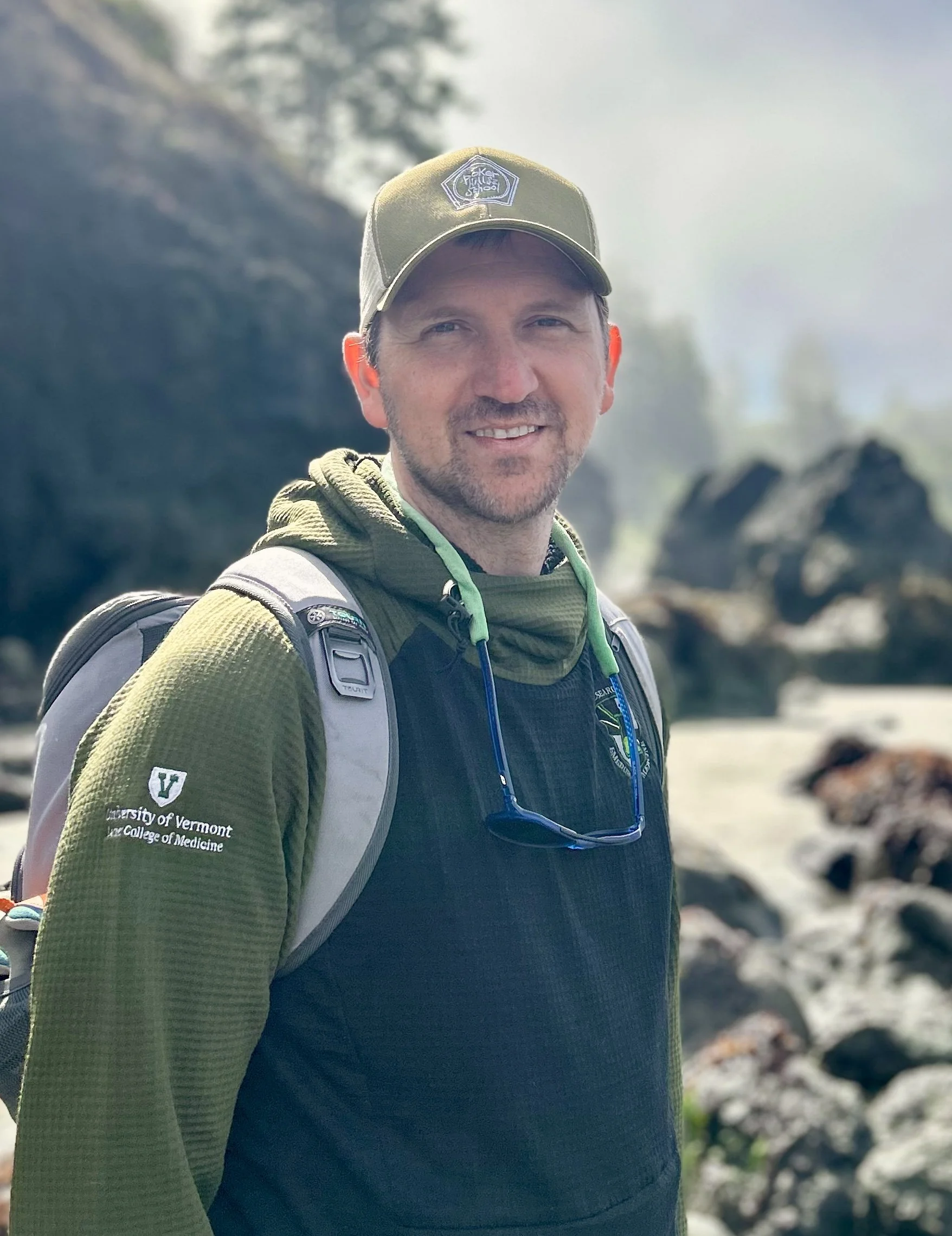

0945 - 1015
1015-1045
0915 - 0945
-
Extracorporeal membrane oxygenation (ECMO) has evolved from a highly specialized rescue therapy into an increasingly accessible intervention for select patients with refractory cardiac or respiratory failure. As ECMO programs continue to expand across North America, emergency physicians are often the first clinicians to encounter patients who may benefit from this technology. Yet uncertainty frequently remains regarding which patients should trigger an ECMO consultation, what criteria ECMO teams use when evaluating candidacy, and how emerging extracorporeal cardiopulmonary resuscitation (eCPR) programs may influence emergency department practice.
This interactive, case-based presentation will provide emergency physicians with a practical framework for recognizing patients who may benefit from ECMO and understanding the decision-making process behind ECMO initiation. The session will begin with a real-world emergency department consultation involving a critically ill patient with refractory cardiopulmonary failure. Participants will be asked to consider whether they would activate an ECMO consultation and what factors should influence that decision. This case will serve as a springboard for discussion of the physiologic rationale for ECMO support and the key clinical variables that guide patient selection.
Drawing on the speaker's experience helping build and expand a regional ECMO program serving Northern New England, the presentation will review how multidisciplinary ECMO teams evaluate candidacy for both veno-venous (VV) and veno-arterial (VA) ECMO. Topics will include indications, contraindications, timing of referral, common misconceptions, and the importance of early consultation before irreversible organ injury develops. Attendees will gain insight into the operational and clinical considerations that influence cannulation decisions in real-world practice.
The session will then review contemporary evidence regarding ECMO outcomes, including landmark trials and observational data supporting ECMO for severe acute respiratory distress syndrome, cardiogenic shock, and other forms of refractory cardiopulmonary failure. Emphasis will be placed on interpreting the literature through the lens of emergency medicine and identifying patients most likely to derive meaningful benefit.
Finally, the presentation will introduce the rapidly evolving field of extracorporeal cardiopulmonary resuscitation (eCPR). Attendees will learn the principles of eCPR, current evidence supporting its use in carefully selected patients with refractory cardiac arrest, and the substantial logistical, staffing, and systems-based requirements necessary to develop an eCPR program. Using examples from ongoing program development efforts at the speaker's institution, the session will highlight opportunities and challenges associated with implementing eCPR in regional healthcare systems.
Participants will leave with practical tools to improve recognition of potential ECMO candidates, facilitate timely consultation, and understand how ECMO and eCPR programs are reshaping the care of critically ill patients in the emergency department.
-
Bryant C. Shannon, M.D., earned his medical degree from Columbia University College of Physicians & Surgeons and completed his residency at Massachusetts General Hospital and Brigham & Women's Hospital. He then went on to pursue a fellowship at Stanford University Hospital. Dr. Shannon received his undergraduate degree in Agricultural & Biological Engineering from the University of Florida. He is dual board-certified in Emergency Medicine and Critical Care Medicine.
In between college and medical school, Dr. Shannon spent a year as a Fulbright Scholar, researching global health in rural India. Additionally, he has special interests in medical education, cardiovascular critical care, and mechanical circulatory support (MCS). Through EuroELSO, he completed an International Diploma in ECMO through La Pitié Salpêtrière University Hospital in Paris, France.
Based at Maine Medical Center in Portland, ME, Dr. Shannon works full-time as a Cardiovascular Intensivist in both the CTICU and CICU. As part of MaineHealth's Shock Team and growing ECMO program, his focus is on growing access to advanced MCS technology while ensuring quality care for patients across Northern New England. In this capacity, he works as a clinician and educator in a multi-disciplinary setting with residents, fellows, medical students, APPs, perfusionists, nurses, etc.
In his spare time, Dr. Shannon enjoys listening to podcasts, biking, cooking, globe-trotting, gardening, and spending time with his family.
-
Emergency department (ED) pharmacotherapy and clinical practice have evolved rapidly over time; however, many commonly used interventions persist despite limited or low-quality supporting evidence. This presentation examines frequently utilized ED treatments and decision-making strategies that are largely driven by historical precedent, physiologic rationale, or expert consensus rather than robust patient-centered outcomes data. Key topic areas include proton pump inhibitors in upper gastrointestinal bleeds, steroids and H2 blockers in anaphylaxis, cephalosporins and penicillin allergies, and methadone use in the ED.
By critically appraising contemporary literature, guideline recommendations, and landmark trials where available, this session highlights gaps between evidence and practice, while emphasizing areas of uncertainty and clinical nuance. The goal is not to eliminate commonly used therapies, but to promote thoughtful, evidence-informed decision-making and encourage reassessment of long-standing clinical dogma. Attendees will leave with a framework for identifying low-value or low-evidence interventions in the ED and applying a more critical lens to routine pharmacotherapy decisions.
This interactive, case-based presentation will provide emergency physicians with a practical framework for recognizing patients who may benefit from ECMO and understanding the decision-making process behind ECMO initiation. The session will begin with a real-world emergency department consultation involving a critically ill patient with refractory cardiopulmonary failure. Participants will be asked to consider whether they would activate an ECMO consultation and what factors should influence that decision. This case will serve as a springboard for discussion of the physiologic rationale for ECMO support and the key clinical variables that guide patient selection.
Drawing on the speaker's experience helping build and expand a regional ECMO program serving Northern New England, the presentation will review how multidisciplinary ECMO teams evaluate candidacy for both veno-venous (VV) and veno-arterial (VA) ECMO. Topics will include indications, contraindications, timing of referral, common misconceptions, and the importance of early consultation before irreversible organ injury develops. Attendees will gain insight into the operational and clinical considerations that influence cannulation decisions in real-world practice.
The session will then review contemporary evidence regarding ECMO outcomes, including landmark trials and observational data supporting ECMO for severe acute respiratory distress syndrome, cardiogenic shock, and other forms of refractory cardiopulmonary failure. Emphasis will be placed on interpreting the literature through the lens of emergency medicine and identifying patients most likely to derive meaningful benefit.
Finally, the presentation will introduce the rapidly evolving field of extracorporeal cardiopulmonary resuscitation (eCPR). Attendees will learn the principles of eCPR, current evidence supporting its use in carefully selected patients with refractory cardiac arrest, and the substantial logistical, staffing, and systems-based requirements necessary to develop an eCPR program. Using examples from ongoing program development efforts at the speaker's institution, the session will highlight opportunities and challenges associated with implementing eCPR in regional healthcare systems.
Participants will leave with practical tools to improve recognition of potential ECMO candidates, facilitate timely consultation, and understand how ECMO and eCPR programs are reshaping the care of critically ill patients in the emergency department.
-
Caitlin Brown, PharmD, MPH, BCCCP, FCCP, FCCM is an Associate Professor of Emergency Medicine and Pharmacy at Mayo Clinic. She has worked for 10 years apart of the Emergency Department team, where she developed a strong focus in emergency pharmacotherapy, rapid response medication use, and evidence-based medication optimization in high-acuity settings. Her clinical and professional interests include critical appraisal of emerging literature, high-impact pharmacotherapy in the ED, and identifying opportunities to improve medication use. She has over 70 peer-reviewed publications and has given national and international engaging talks on pharmacotherapy in the ED.
-
Holly Drone, PharmD, BCCCP, BCEMP, is an emergency medicine and EMS pharmacist at Hennepin Healthcare in Minneapolis, Minnesota. Her clinical practice spans emergency medicine, critical care, trauma, and prehospital care, with a focus on evidence-based pharmacotherapy in high-acuity and time-sensitive clinical situations. Dr. Drone has a particular interest in both in-hospital trauma and medical resuscitation, medication access and optimization, and the practical application of pharmacotherapy across the continuum of emergency care.
A dedicated educator and preceptor, she is passionate about teaching real-world, evidence-based medication management to physicians, nurses, paramedics, pharmacists, and other healthcare professionals. Dr. Drone is actively involved in EMS system development, educational resource creation, and quality improvement initiatives designed to translate emerging evidence into frontline practice in both EMS and the emergency department. Her scholarly work also includes research in prehospital and emergency medicine pharmacotherapy, EMS innovation, emergency care delivery, and implementation of novel treatment models. She is also a co-developer of MN EMS Bridge, a statewide educational platform that provides EMS clinicians with accessible, evidence-based clinical resources and training materials.
-
Learners trying to identify acute coronary occlusion via ECG have been primed to look for ST-elevation. But STE is neither sensitive nor specific for coronary occlusion.
Identifying ischemia rather requires developing eyes for reciprocals and proportions.
Reciprocals: These are not a new concept but it is important to understand them.
Proprtions: There's evidence now that the ratio of the QRS to the Area under the t-wave and the relative symmetry of the t-wave are markers of occlusion in a single lead. Developing eyes for this proportion - smaller qrs, more voluminous and symmetrical t-wave - will allow learners to see true ischemic st-elevation, hyperacute t-waves, dewinter T-waves and injury in LBBB without relying on a unified concept.
-
Emerson Floyd leads ECG didactics and quality review in the Department of Emergency Medicine at UVM. He has contributed to the Smith ECG Blog and advises PM Cardio on the Queen of Hearts OMI-identifying ECG model.
-
Violence against staff is a significant problem in emergency departments. One way to address this problem is early identification of patients at risk for becoming violent and implementation of proactive violence mitigation strategies.
We are implementing the Violence Assessment Tool (VAT), an Epic framework that provides an evidence-based violence risk assessment tool based on the Broset Violence Checklist (BVC). Based on a stratified risk score, violence mitigation interventions suggestions will be provided along with health record (EHR) flagging. Additionally, it will include patient supporting functionality that provides a place to document a conversation with the patient about factors contributing to their condition and individualized deescalation preferences.
Project roll out will be large, including seven separate emergency departments ranging from a large academic medical center to critical access hospitals across Vermont and New York. Goals of this project are to decrease total violent events; improve patient care, safety, and equity; and improve nursing/staff confidence to mitigate potential violence and improve staff perception of safety at work.
-
Sam is a staff nurse in the Emergency Department at UVM Medical Center in Burlington, VT. In addition to his clinical responsibilities, he leads Workplace Violence Prevention initiatives across the hospital, UVM health system, and community. He has led the effort to implement Violence Risk Assessment in UVM Health System EDs, with plans to expand this program to inpatient and ambulatory settings. He also leads an effort to engage law enforcement and other community stakeholders to make the hospital safer for staff and patients.
-
Violence against staff is a significant problem in emergency departments. One way to address this problem is early identification of patients at risk for becoming violent and implementation of proactive violence mitigation strategies.
We are implementing the Violence Assessment Tool (VAT), an Epic framework that provides an evidence-based violence risk assessment tool based on the Broset Violence Checklist (BVC). Based on a stratified risk score, violence mitigation interventions suggestions will be provided along with health record (EHR) flagging. Additionally, it will include patient supporting functionality that provides a place to document a conversation with the patient about factors contributing to their condition and individualized deescalation preferences.
Project roll out will be large, including seven separate emergency departments ranging from a large academic medical center to critical access hospitals across Vermont and New York. Goals of this project are to decrease total violent events; improve patient care, safety, and equity; and improve nursing/staff confidence to mitigate potential violence and improve staff perception of safety at work.
-
Sam is a staff nurse in the Emergency Department at UVM Medical Center in Burlington, VT. In addition to his clinical responsibilities, he leads Workplace Violence Prevention initiatives across the hospital, UVM health system, and community. He has led the effort to implement Violence Risk Assessment in UVM Health System EDs, with plans to expand this program to inpatient and ambulatory settings. He also leads an effort to engage law enforcement and other community stakeholders to make the hospital safer for staff and patients.
-
Violence against staff is a significant problem in emergency departments. One way to address this problem is early identification of patients at risk for becoming violent and implementation of proactive violence mitigation strategies.
We are implementing the Violence Assessment Tool (VAT), an Epic framework that provides an evidence-based violence risk assessment tool based on the Broset Violence Checklist (BVC). Based on a stratified risk score, violence mitigation interventions suggestions will be provided along with health record (EHR) flagging. Additionally, it will include patient supporting functionality that provides a place to document a conversation with the patient about factors contributing to their condition and individualized deescalation preferences.
Project roll out will be large, including seven separate emergency departments ranging from a large academic medical center to critical access hospitals across Vermont and New York. Goals of this project are to decrease total violent events; improve patient care, safety, and equity; and improve nursing/staff confidence to mitigate potential violence and improve staff perception of safety at work.
-
Sam is a staff nurse in the Emergency Department at UVM Medical Center in Burlington, VT. In addition to his clinical responsibilities, he leads Workplace Violence Prevention initiatives across the hospital, UVM health system, and community. He has led the effort to implement Violence Risk Assessment in UVM Health System EDs, with plans to expand this program to inpatient and ambulatory settings. He also leads an effort to engage law enforcement and other community stakeholders to make the hospital safer for staff and patients.